Microplastics in water: new research reveals hidden chemical threat
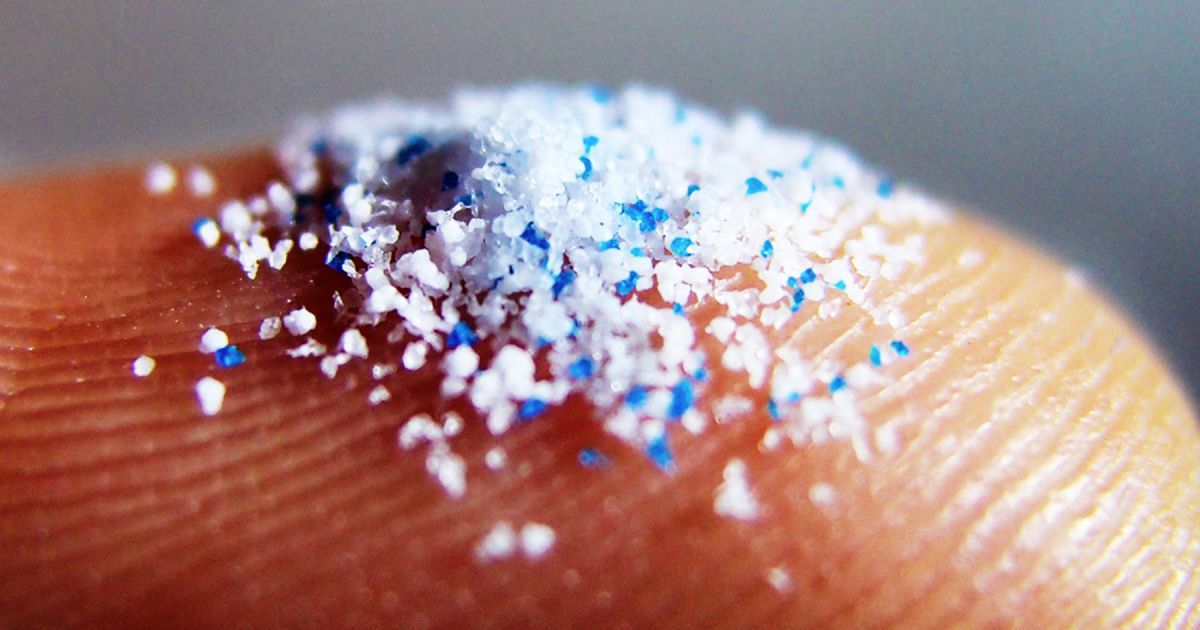
Scientists have found that microplastics in water do not just accumulate, but trigger chemical reactions capable of damaging cells.
 🩺Health
Photo: TSN
Key points
- Microplastics in water generate reactive oxygen species
- Cell damage confirmed in laboratory conditions
- Heating plastic accelerates the release of dangerous particles
The dangerous activity of plastic particles
Researchers from Columbia University and the University of California, Berkeley, have discovered that microplastics are much more active contaminants than previously thought. It turns out that when in contact with ordinary water, reactive oxygen species form on the surface of plastic particles.
These chemically active molecules, particularly hydroxyl radicals, can interact with proteins and DNA. Experiments with mouse red blood cells showed that such exposure could lead to cell damage. Polyethylene and polypropylene were found to be the most reactive, while PET, used in bottles, showed lower activity.
How to avoid unnecessary risks at home
- Avoid heating food in plastic containers in the microwave.
- Do not store plastic water bottles in direct sunlight.
- Remember that disposable paper cups for hot drinks also have a plastic lining that degrades at high temperatures.
Scientists emphasize that while laboratory data point to a potential danger, the direct impact on human health requires further study. However, understanding that plastic acts as a chemically active surface changes the approach to assessing environmental risks.
Source TSN — tsn.ua/zdorovya/mikroplastyk-vyiavyvsia-nebezpechnishym-niz-vvazaly-shc… ↗
Read next
 🎭Culture & Sport
A 350-kilogram giant pumpkin: Cherkasy region resident sets unofficial record
A resident of Smila grew a massive pumpkin on his plot, becoming the largest in Ukraine, and shared the harvest with the public.
 🛡️Security
US Director of National Intelligence: Putin is not a friend of America regarding the war in Ukraine
Director of National Intelligence Jay Clayton stated that Vladimir Putin is not a friend of the US, despite recent remarks by Donald Trump.
 🛡️Security
Tragedy in Dymer: Death toll from Russian attack rises to eight
Rescue operations are ongoing in Dymer, Kyiv region, where the death toll from a recent attack has reached eight.
 👥Society
Clashes at Kyiv Pechersk Lavra: Police launch investigation
A conflict broke out at the Kyiv Pechersk Lavra over disputes regarding the use of religious buildings. Law enforcement officials have recorded the incident and are condu…
 👥Society
ISW analysts assess the possibility of humanitarian evacuations: why the situation in Donetsk and Kherson regions differs
The Institute for the Study of War explains why organizing humanitarian corridors in the Donetsk region is technically more complex than along the Dnipro River.
 💼Economy
Oil refinery attacked again in Novoshakhtinsk, Russia
On the night of November 23, another strike hit the Novoshakhtinsk Oil Products Plant in the Rostov region. The facility is a key supplier of fuel for the Russian militar…